A pure sensor camera.No AI.
DGCam records the unprocessed RAW read and lets a film-simulation LUT do the looking — no upscaling, no scene detection, no invented detail.
What you frame is what you keep.
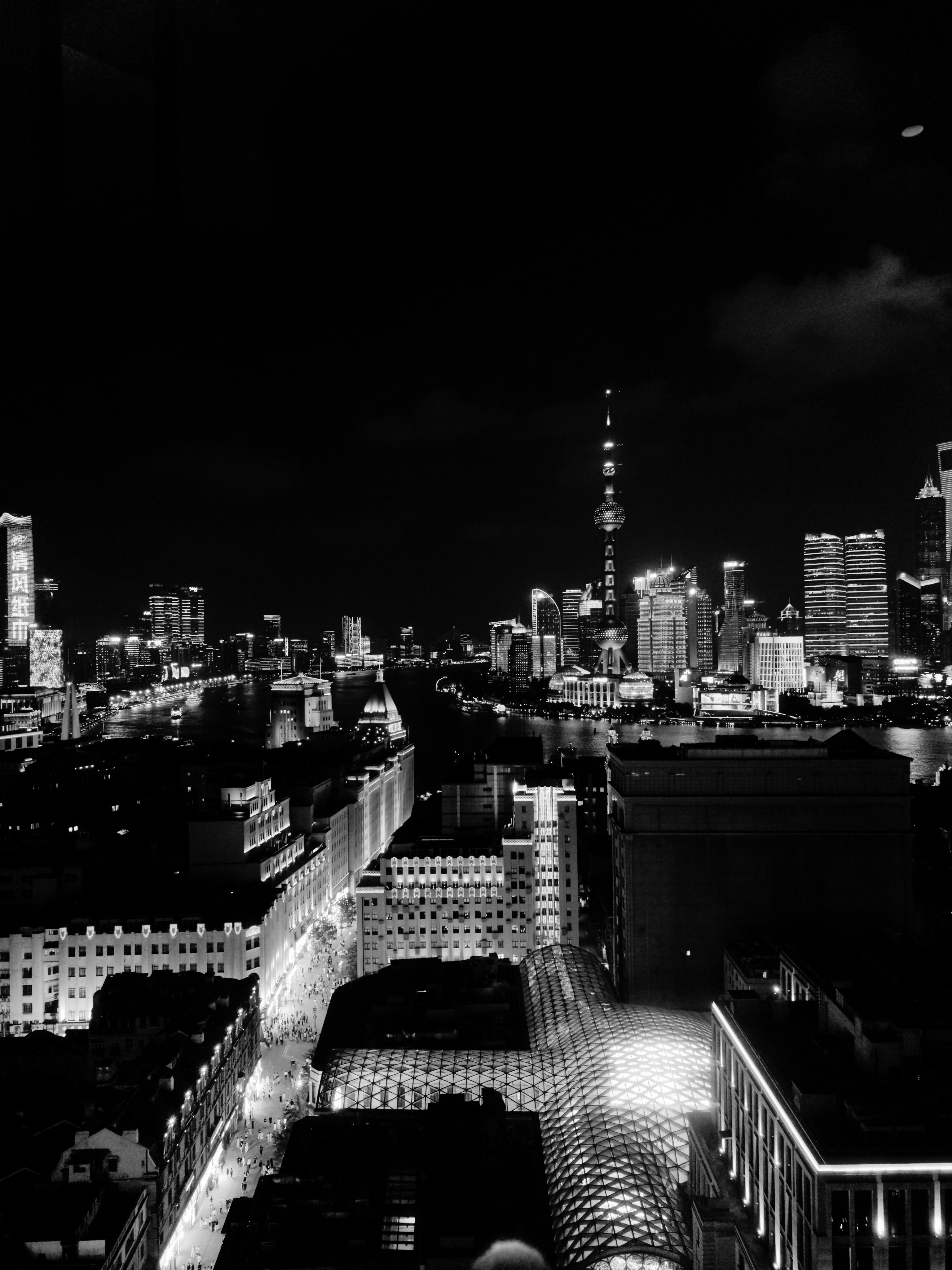
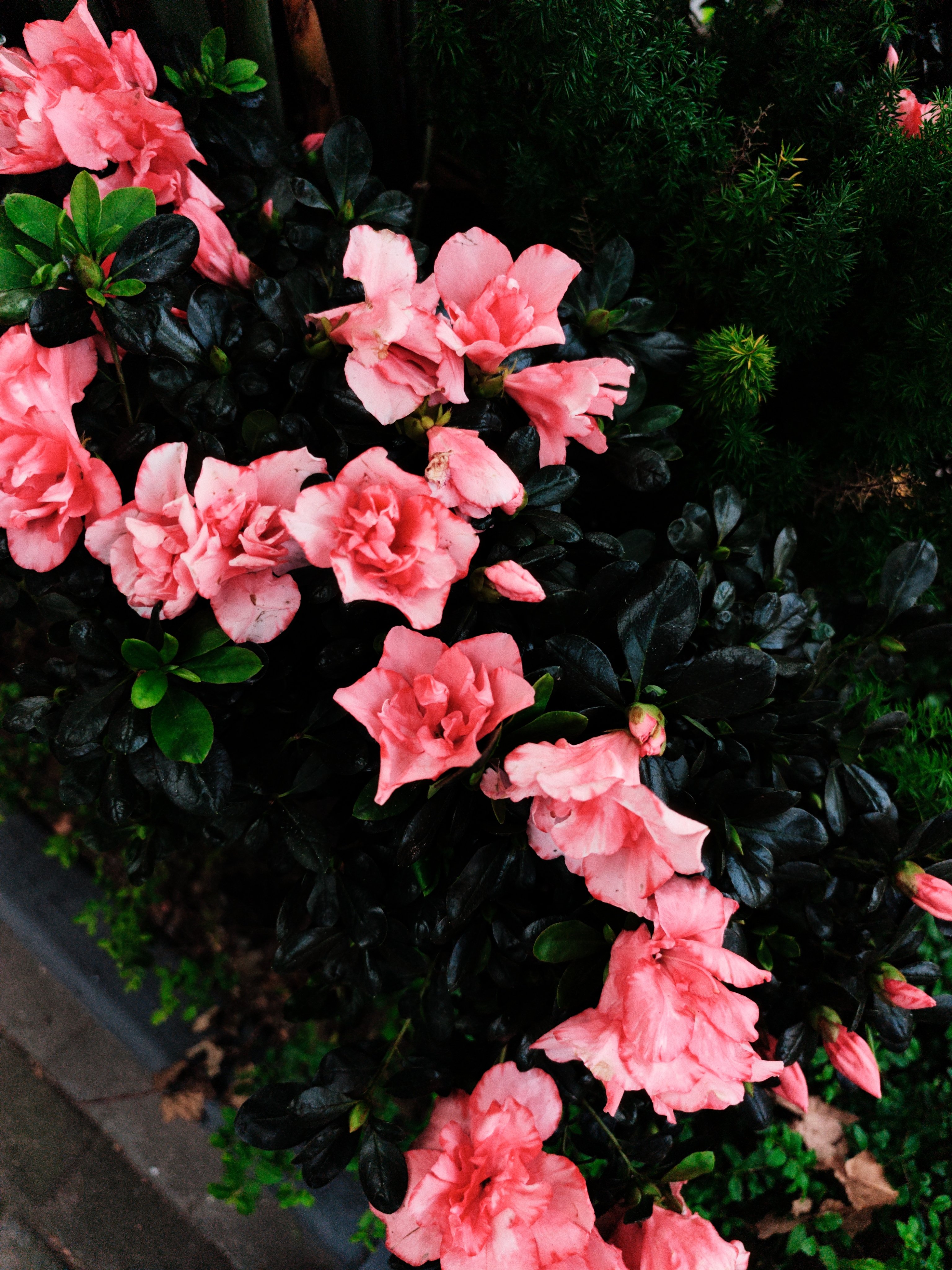
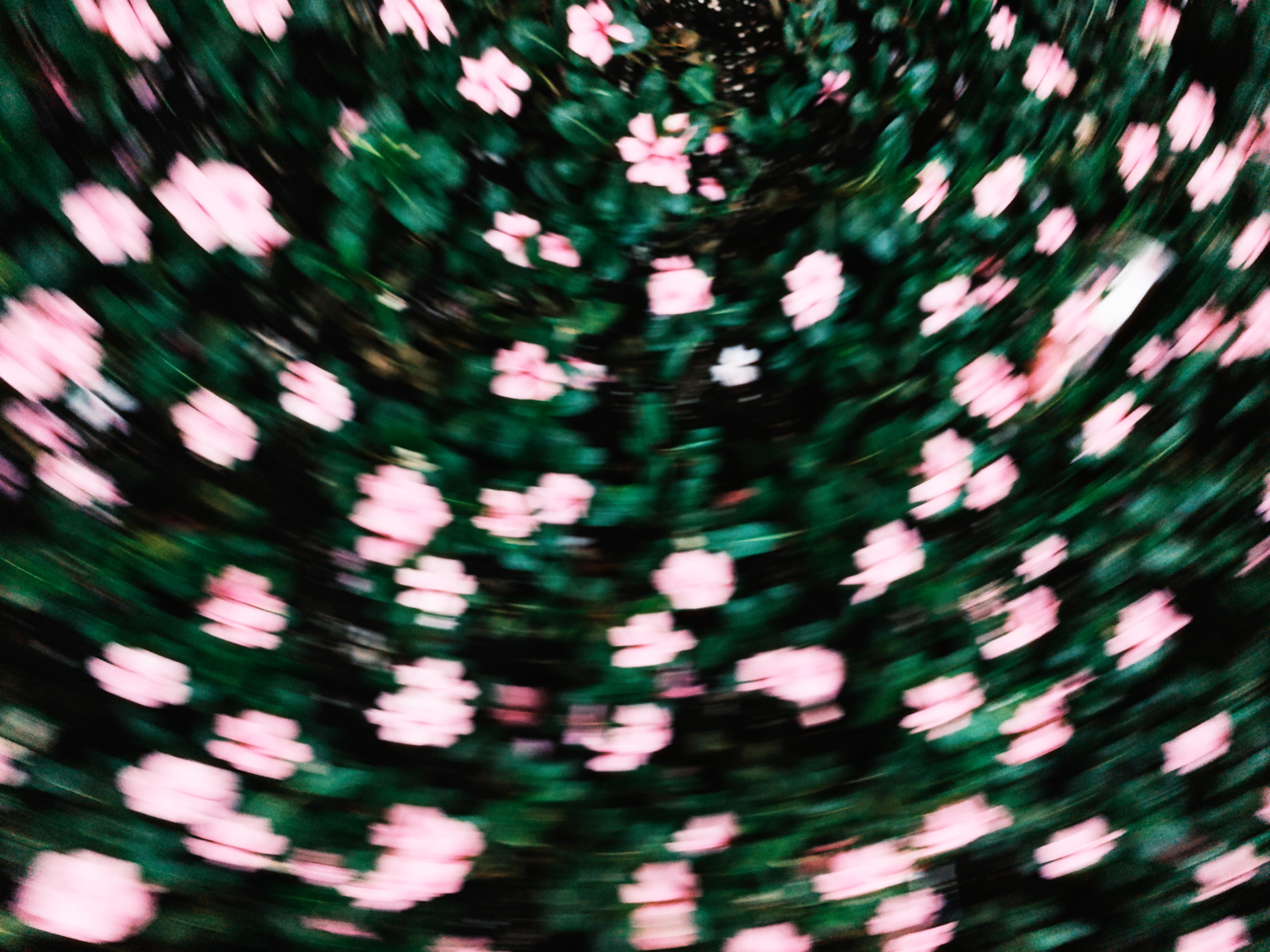
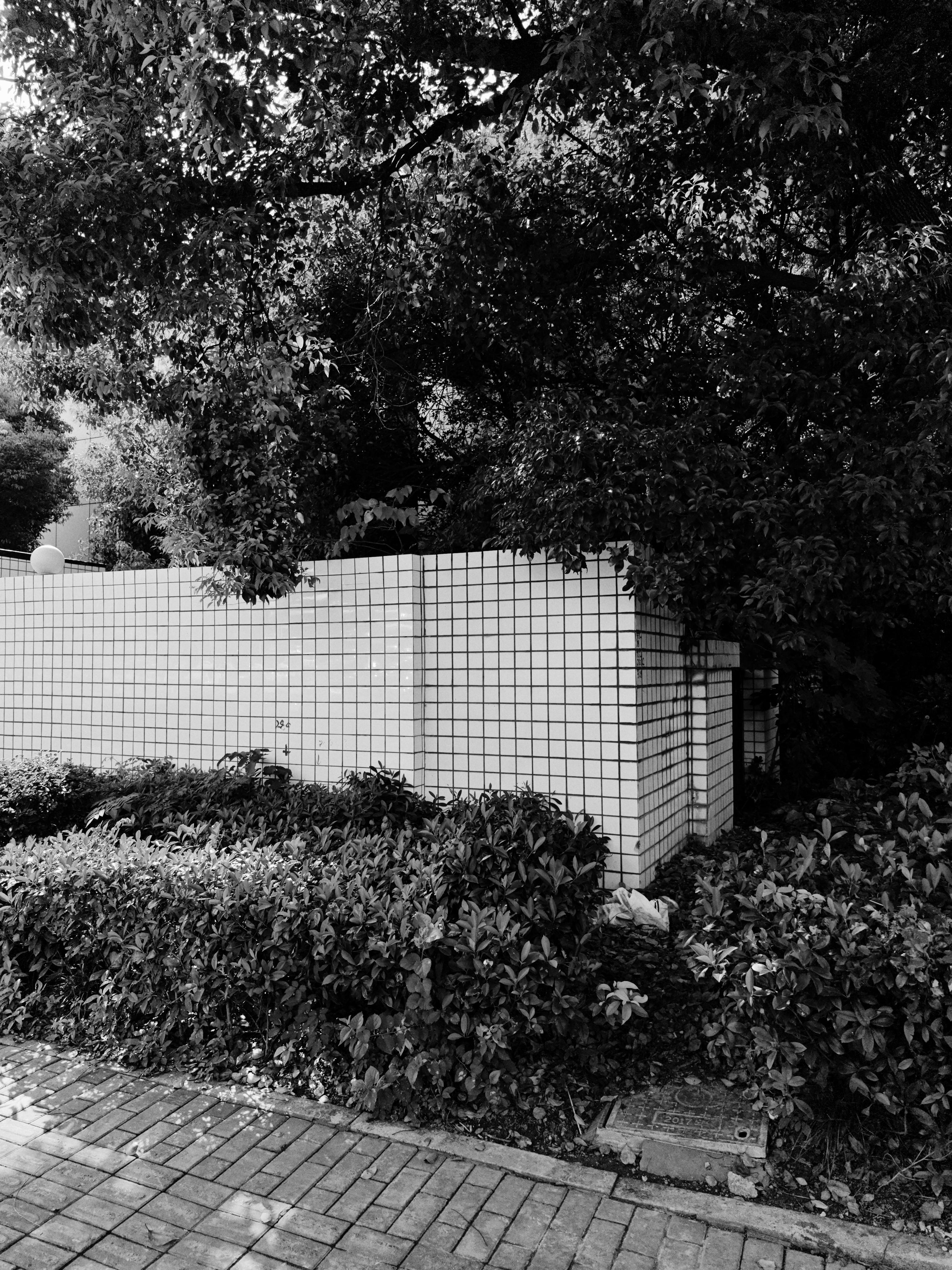
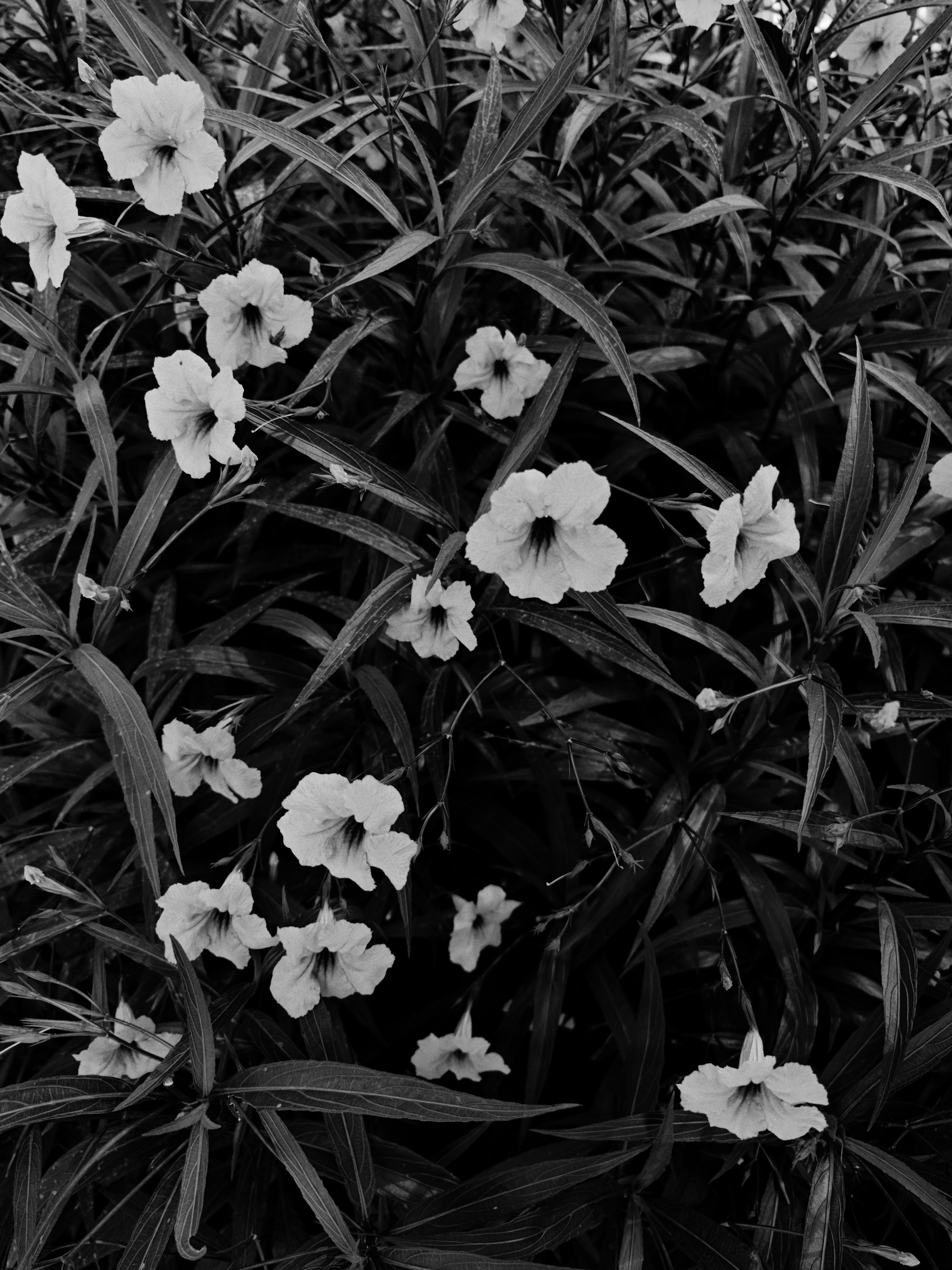
Plates
Straight exports from the camera roll. No frame here has been retouched, sharpened, or upscaled — only exposed and printed through a LUT.
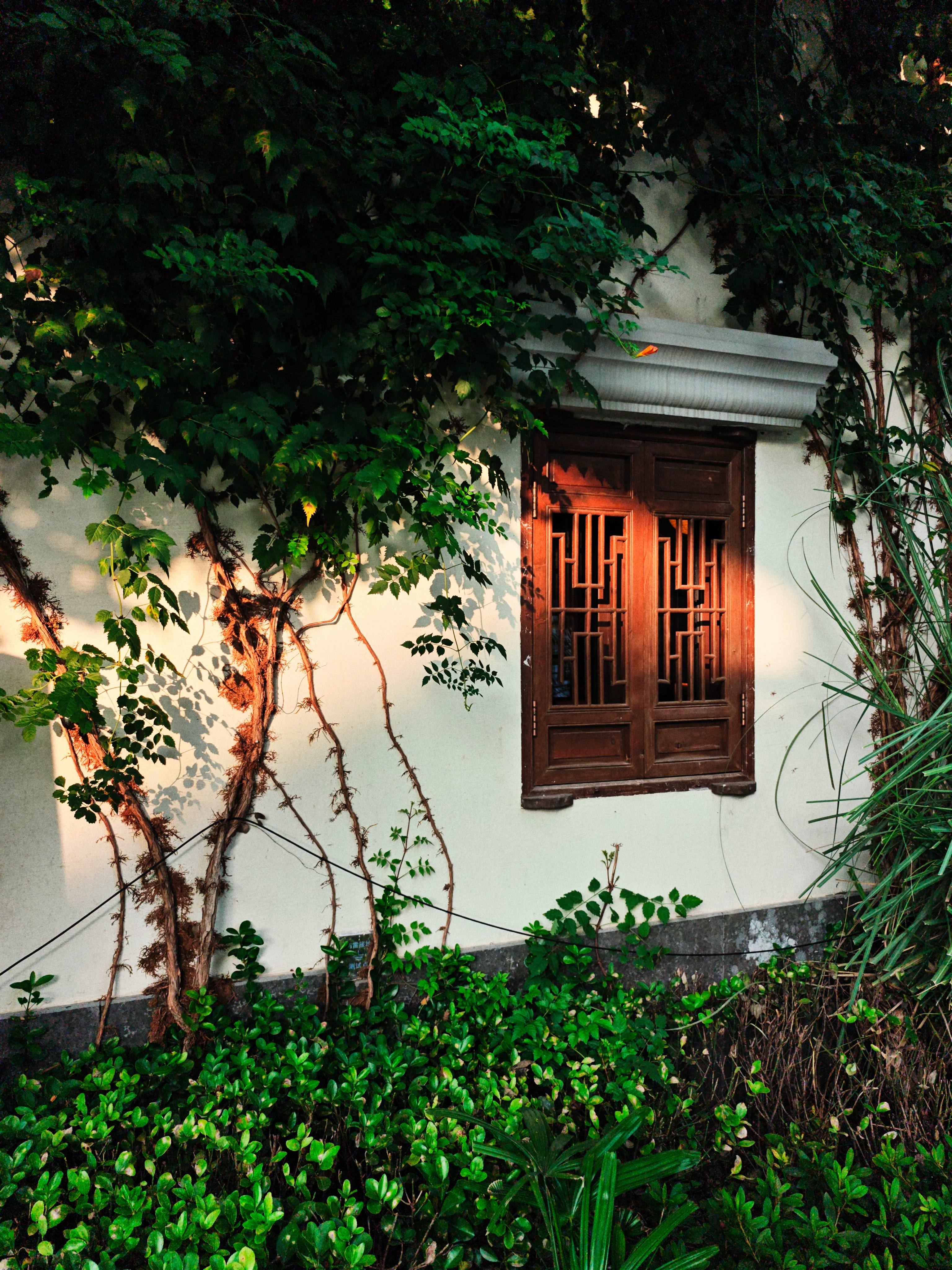
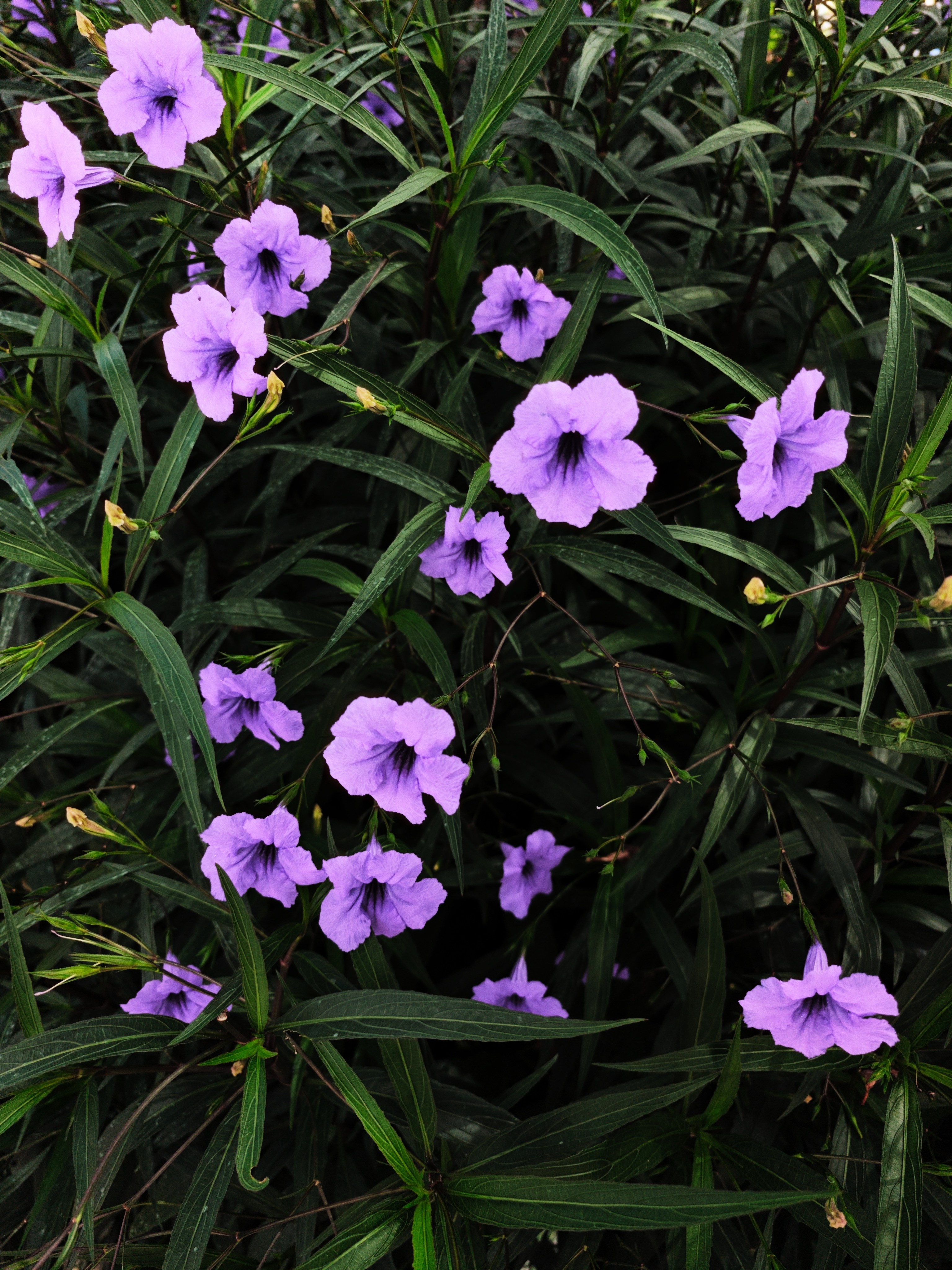
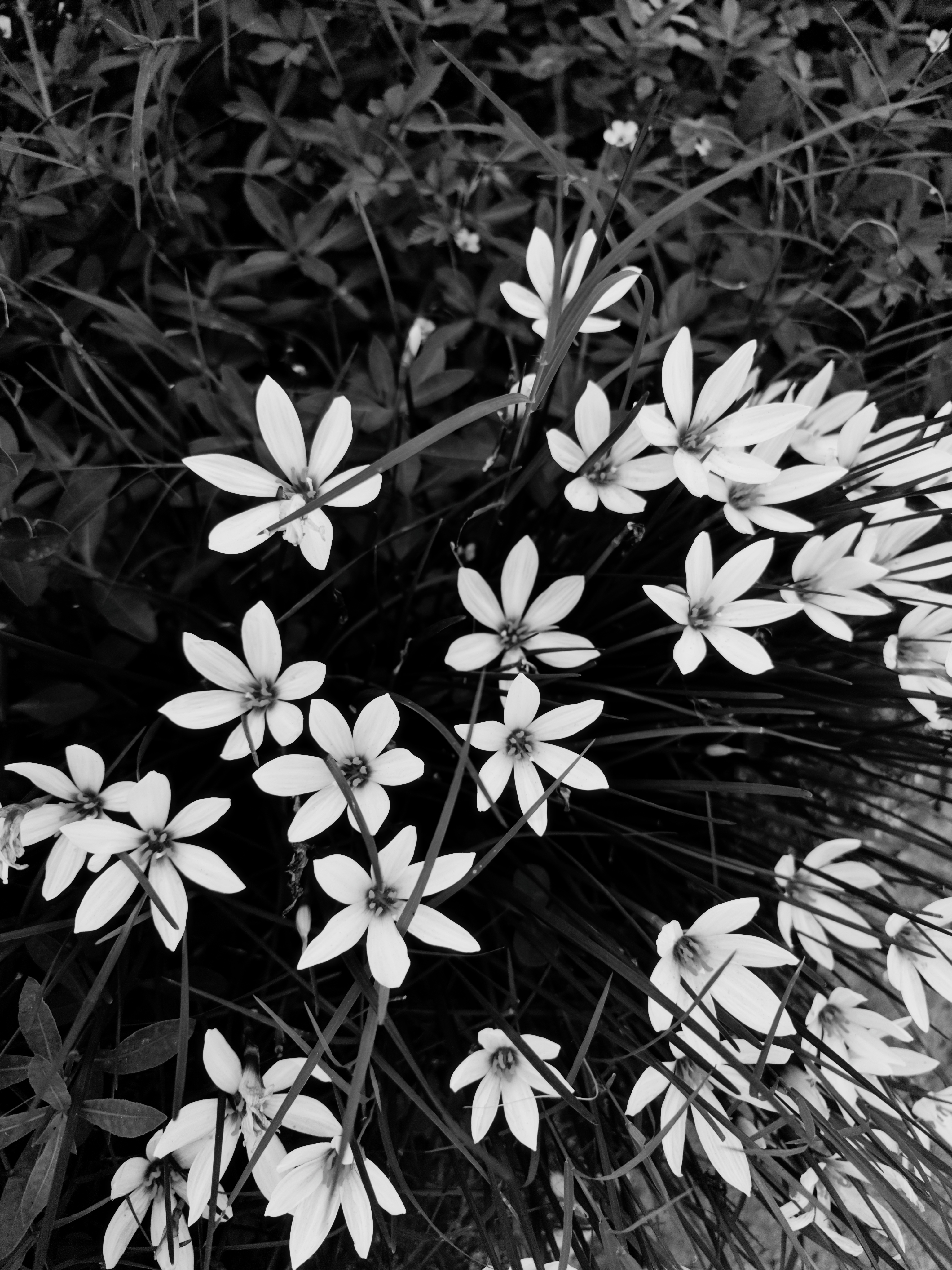
The negative & the print
Same frame.Only the look changes.
On the left, the flat sensor read as the RAW/DNG holds it. On the right, the same pixels rendered through a film-simulation 3D LUT on the device. Nothing is filled in or invented. Drag the bar to move between them.
The print — Classic ChromeEverything the sensor does.Nothing it doesn’t.
A short colophon on how the camera actually works.
- RAW / DNG capture
- Noise reduction, edge enhancement and aberration correction are switched off at the HAL. You keep the sensor read, not a cleaned-up guess.
- True 3D LUTs
- Film simulations run as real .cube tables. The preview shader and the CPU export use the same one, so what you frame is what you export.
- Your own looks
- Import any .cube file. Grids over 49³ resample to 33³ on load, so a full shelf of looks stays light. Long-press to pin or remove.
- Film effects
- Grain, halation, Color Chrome / Chrome Blue, DR highlight recovery, highlight and shadow tone, chroma denoise — optical, never invented.
- Video, same pipeline
- Clips record through the identical LUT pipeline, so footage matches your stills frame for frame.
- Full manual
- Manual ISO and shutter, exposure compensation, tap-to-focus, timer and flash. AWB stays on — in a DNG it is only metadata anyway.
01
02
03
04
05
06